

Designing a Small Garden: How to Make 20m² Feel Twice as Big
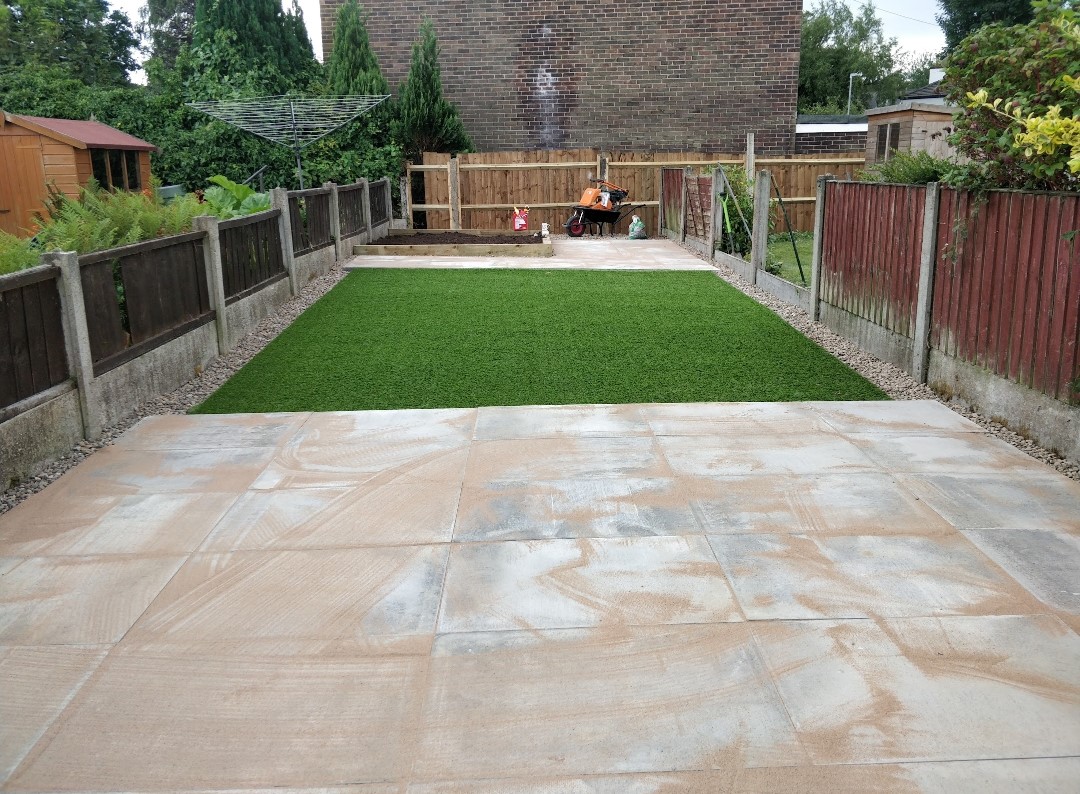
If your garden feels cramped the moment you step outside, you are far from alone. Many UK homes – especially Victorian terraces and newer estate builds – come with outdoor space barely bigger than a single room. The good news is that smart small garden design can make even a 20m² plot feel twice as large. It has far less to do with the size of the patch and far more to do with how you organise, frame and plant it.
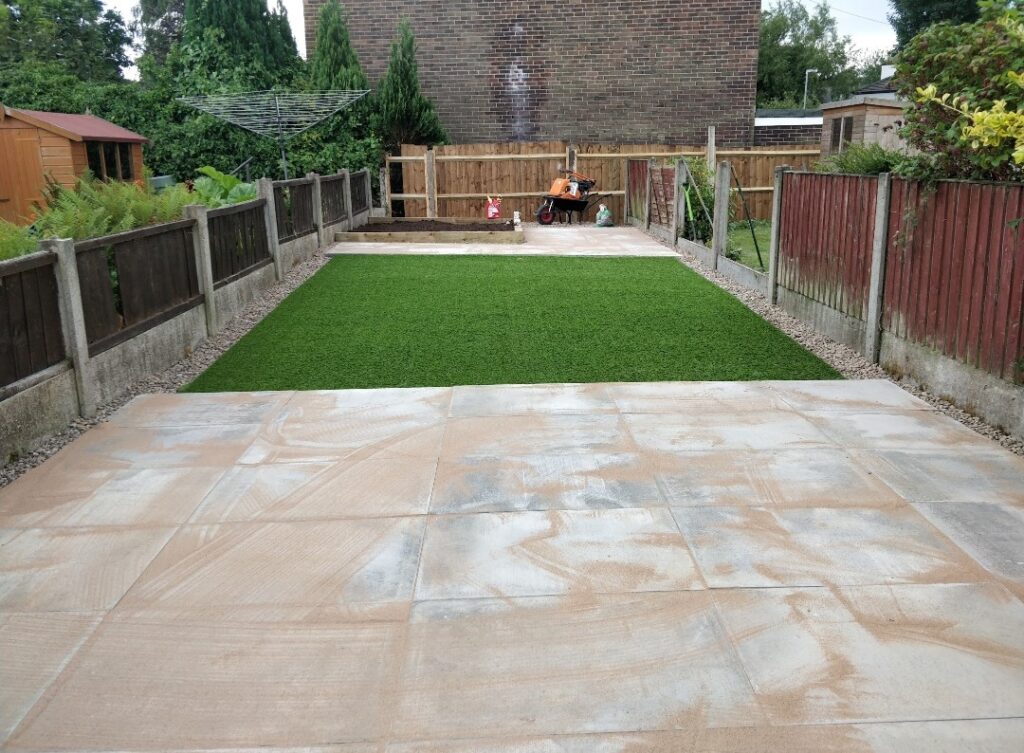
Below are the principles we return to again and again when we transform tight outdoor spaces across the North West – and a few practical tips you can apply whatever your budget.
Start with zones, not a blank lawn
The most common mistake in a small garden is treating it as one undivided space. Paradoxically, breaking a tiny garden into distinct zones makes it feel bigger, not smaller. Give it a seating area, a planting area and a clear path connecting them. When the eye has separate places to land, the brain reads the garden as a journey rather than a single cramped box. Even in 20m² you can carve out a paved spot for a bistro table, a soft green corner for borders, and a route that links the two.
Go vertical to free up the floor
When floor space is limited, the answer is to build upwards. Climbers such as star jasmine, clematis or trained roses clothe a fence or wall without stealing a single square metre of ground. A slim trellis, a living wall panel or a row of wall-mounted planters draws the eye up and adds greenery exactly where you have room to spare. Vertical planting also softens hard boundaries, which is one of the quickest ways to stop a small garden feeling like a walled pen.
Trick the eye into seeing more
A few visual tricks genuinely change how large a garden feels. An outdoor mirror on a side wall – angled so it reflects planting rather than a doorway – doubles the apparent depth. Pale-coloured walls and fences bounce light around and push the boundaries back, while a dark, busy fence does the opposite. Running your lines of paving and lawn edges diagonally across the plot rather than straight out from the house lengthens the longest sight line you have, which makes the whole space read as deeper than it is.
Keep the materials simple and consistent
Nothing shrinks a small garden faster than a jumble of competing materials. Choose one paving or decking finish and one complementary edging, then repeat them throughout. A single, calm material palette lets the eye glide across the space uninterrupted, whereas three different patios chopped together create visual clutter and hard stops. Restraint is the secret weapon of good small garden design – fewer materials, used well, always feel more considered and more spacious.
Three quick wins for instant impact
If you want changes that punch above their weight, start with these:
- Keep planting beds at least 60cm deep. Shallow borders look mean and starve plants of root room; a generous depth lets you layer height and gives the garden real presence.
- Choose one larger feature over several small ones. A single specimen tree, a statement pot or one good bench anchors the space far better than a scatter of tiny ornaments that only emphasise how little room there is.
- Use a single specimen tree as an anchor. A multi-stem amelanchier or a compact acer adds height, seasonal interest and a focal point without overwhelming a small plot.
Bringing it together
Designing a compact garden well takes a clear plan and an eye for proportion, and that is exactly where it pays to work with people who do it day in, day out. Our landscaping team shapes tight North West gardens into spaces that feel far larger than their footprint, handling everything from levels and drainage to planting and paving. If you would like to see how these ideas look in real gardens, browse our previous projects for inspiration before you commit to a layout.
The bottom line
A small garden is not a limitation – it is a design brief. Zone the space, build upwards, trick the eye with light and angles, and keep your materials disciplined, and 20m² can comfortably feel like 40. Get those fundamentals right and even the most modest plot becomes a garden you actually want to spend time in, all year round.