

Converting an Integral vs a Detached Garage: What Actually Changes
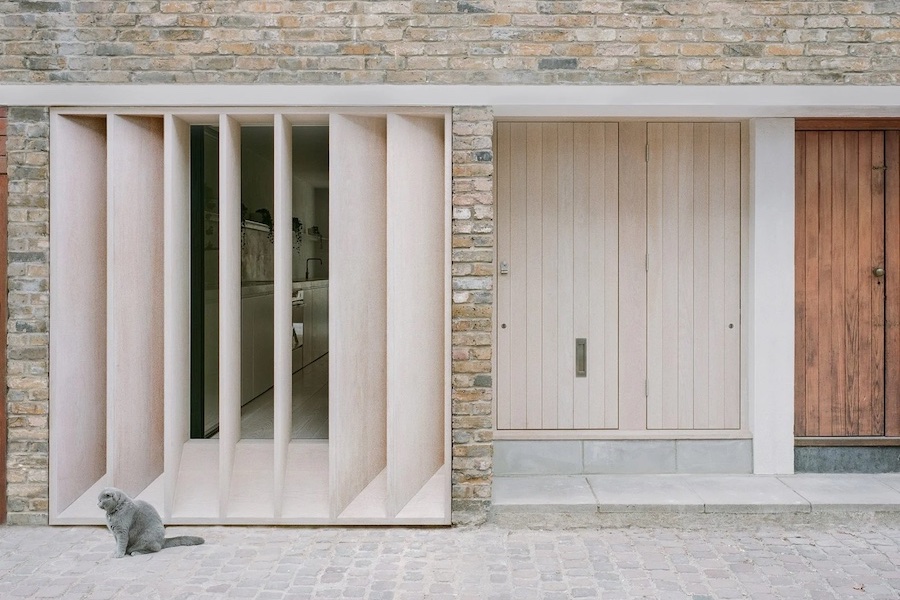
If you’re thinking about turning your garage into usable living space, the first question that really matters isn’t what you’ll use the room for — it’s whether your garage is integral (attached to the house) or detached. An integral vs detached garage conversion involves very different work, costs, and risks, and homeowners are often surprised by how much that one factor changes the project.
Below is a practical walk-through of what actually changes when you compare the two, so you can plan with realistic expectations from the start.
What “integral” and “detached” really mean
An integral garage shares at least one wall, and usually a roof, with the main house — think of the typical 1970s and 1980s semi where the garage sits under the bedroom or alongside the kitchen. A detached garage is a standalone structure in the garden or driveway, often with its own roof, its own foundations, and a fair bit of distance from the heated envelope of the house.
That single difference drives almost everything else: how the new room ties in, what regulations apply, and how much money the project really needs.
The structural picture is very different
With an integral conversion, the existing walls and roof are usually doing most of the heavy lifting. The structural job is mainly about removing the garage door, building a new infill wall with a window, and sometimes adding a steel beam where the door opening sat. The shell is already there.
A detached garage, by contrast, is usually a simpler structure built to garage standards rather than habitable-room standards. That often means the roof needs upgrading (or replacing), the walls may need a second leaf or external insulation, and the floor frequently needs a fresh slab with a proper damp-proof membrane underneath. You’re effectively rebuilding a tiny house, not converting one.
Building regs: insulation is the big one
Both types of conversion are notifiable under Building Regulations, but the insulation challenge is bigger with a detached garage. Single-skin brick walls, uninsulated roofs and unheated floor slabs all need bringing up to current Part L thermal standards. Expect either thick internal insulation (which eats floor area) or external wall insulation with a new render finish.
Integral garages tend to be much closer to compliance already — they sit within the heated envelope, share insulated walls with the house above, and usually only need the floor and the new infill wall upgrading.
Heating, plumbing and electrics
An integral garage can almost always tap into the existing boiler and consumer unit with a short pipe run and a new circuit. Adding a radiator or two is straightforward; if you’re putting in a downstairs WC, the soil stack is usually a couple of metres away.
A detached garage needs underground services — a buried armoured electrical cable, often a separate consumer unit, and significant trenching if you want plumbing. That alone can add £3,000–£6,000 before the conversion proper has even started.
Cost and resale: what to expect
As a rough UK guide in 2026, an integral garage conversion typically lands between £15,000 and £25,000 for a single garage, while a detached garage conversion sits closer to £25,000–£40,000 once thermal upgrades and services are factored in. Both add value, but integral conversions tend to add more per pound spent because the new room flows directly off the kitchen or hallway — buyers feel it as extra “house”. Detached conversions often add value as a garden office, gym or annex rather than as additional core living space.
If you’d like to see how that plays out in real homes, our previous projects page has examples of both, with finished floor plans and before/after photos that show where the money actually goes. When you’re ready to scope your own project, our garage conversions service page covers timelines, what’s included, and how we handle Building Control sign-off.
Three practical tips before you commit
A few things will save you money and headaches whichever route you take:
1. Get a level survey early. Garage floors usually sit 100–150mm lower than the house floor. An integral conversion that doesn’t address this leaves you with a step you didn’t want; a detached one needs the level set carefully against external thresholds for damp protection.
2. Check the existing roof’s age. A roof with 5–10 years of useful life left is fine to keep; anything older and you’ll regret not replacing it while the room’s exposed. This matters far more on detached garages, where the roof is often the weakest part of the structure.
3. Decide early how it connects to the house. An integral garage with no internal door from the house is technically a separate room — and lots of homeowners only realise this once it’s plastered. Plan the doorway, the wall opening, and any structural lintel work before you start, not after.
The bottom line
Both integral and detached garage conversions can transform a home, but they are not the same project under the bonnet. An integral conversion is mostly a tidy-up of an existing room within the house. A detached conversion is closer to a small new-build that happens to reuse the walls. Knowing which you’re dealing with before you start budgeting is the single most useful thing you can do — everything else follows from there.